Nobody was lynched. Nobody torched the building. But the exile generation can’t help compare present struggles with a storied past. It hurts.

Nobody was lynched. Nobody torched the building. But the exile generation can’t help compare present struggles with a storied past. It hurts.
But if preachers start applying the core teaching of Jesus to the moral issues people care about, new theological, moral and political vistas will open.

When your daughter hides the whiskey, moonshine will do. Even if it makes you blind.
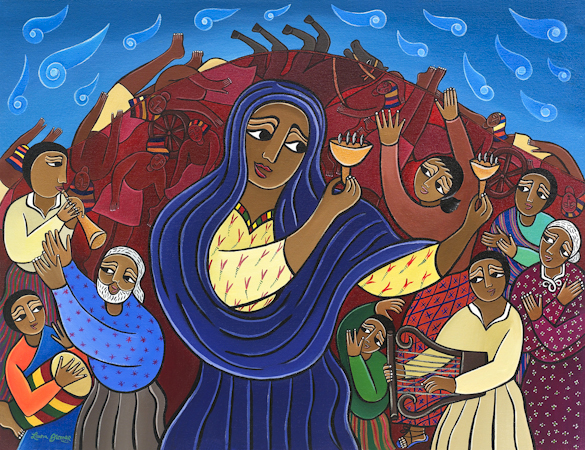
The song of Moses anticipates the conquest of Joshua. The song of Miriam anticipates Jesus, the Second Joshua.

The problem, from Pharaoh’s perspective, is that his slaves aren’t working hard because they’re lazy. Which brings me to a survey question used to detect high levels of racial resentment: “socioeconomic disparities between blacks and whites exist because blacks are just not trying hard enough.”

From the perspective of mainline evangelicalism, environmentalism is the enemy, the plague besetting America; climate change is nothing to worry about. Having been taught from infancy that see American prosperity as a gift from God, the AWE nation refuses to believe that the engine driving our blessed estate is about to jump the tracks. At all costs, capitalism must be defended as the good blessing of a loving God.
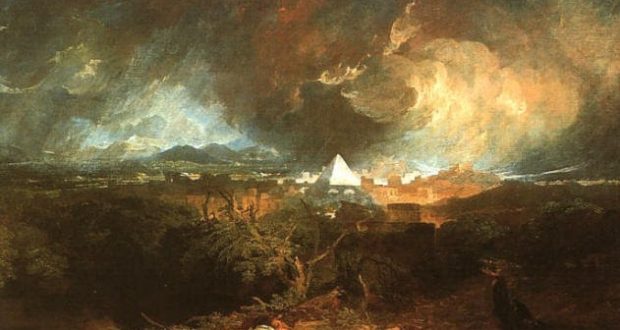
For white evangelicals, 9-11 was particularly traumatic. American was the world’s only superpower. Our power limitless. We were Pharaoh.

Peterson’s positive reception in Britain, Australia, Canada and the United States suggests that the backlash against “political correctness” runs deep.
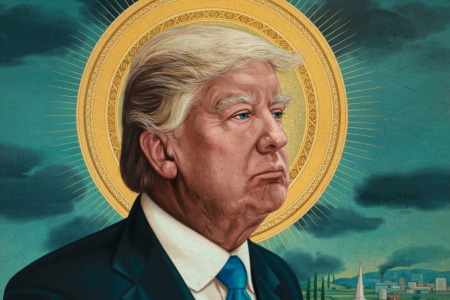
Wehner’s focus on the collapse of discipleship training and catechesis is entirely legitimate. But can we draw a fine distinction between the Bible and political ideology.
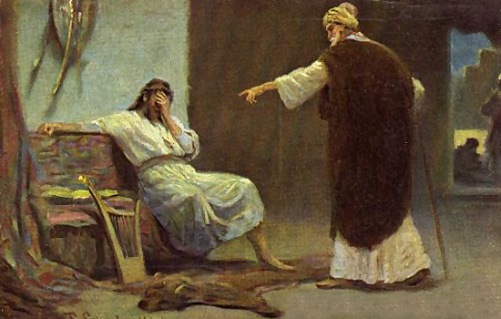
The story calls us to confession, struggle and a firm resolve to fix what we have broken or to die in the attempt. And in that way lies hope.
 Friends of Justice