After watching last week’s hearing, which of the two, Blesey Ford or Kavanaugh, strikes you as the most reliable? I mean, which is the most truthful?

After watching last week’s hearing, which of the two, Blesey Ford or Kavanaugh, strikes you as the most reliable? I mean, which is the most truthful?

Ultimately, Jimmy proved to be too good for either the White House or his beloved Southern Baptist Convention. But he was never too good; just a little better than the rest of us. He was of our tribe.

While I was a student in the late 1970s, the subject of hell never came up in class unless Bill Leonard was discussing Jonathan Edwards’ infamous sermon, “Sinners in the hands of an angry God.” My professors couldn’t talk about the Southern Baptist hell, while their critics spoke of little else. It was never a fair fight.

When you are addicted to pretty lies, you will do anything for the next fix.

From the Jackson Clarion-Ledger to the New Yorker, to Mother Jones, to the Nation, to the National Review and the New York Times, everybody’s talking about Curtis Flowers. All the ruckus results from In the Dark, an APM podcast that recently devoted eleven groundbreaking, hour-long episodes to the flawed … Continue reading Curtis Flowers after “In the Dark”
University should be about learning how much you don’t know. That was certainly my experience.
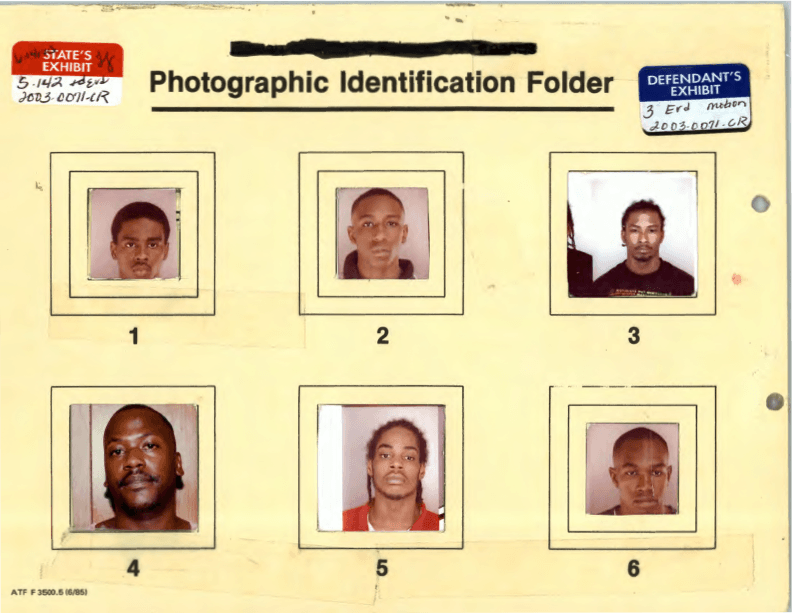
If you’ve listened to In the Dark or watched Wrong Man on the Starz channel, you either came away convinced that Curtis Flowers didn’t kill four people in cold blood back in 1996 or you weren’t paying attention. Actually, In the Dark hasn’t weighed in on the guilt-innocence issue (that’s … Continue reading So, if Curtis Flowers isn’t guilty, who is?
In Britain, a prosecutor caught red-handed like that would be publicly reprimanded, and removed. And after three appeals and two mistrials the state would probably drop the case. But the truth in Mississippi is the white D.A., Doug Evans, simply cannot afford to lose a conviction on this big nasty crime.
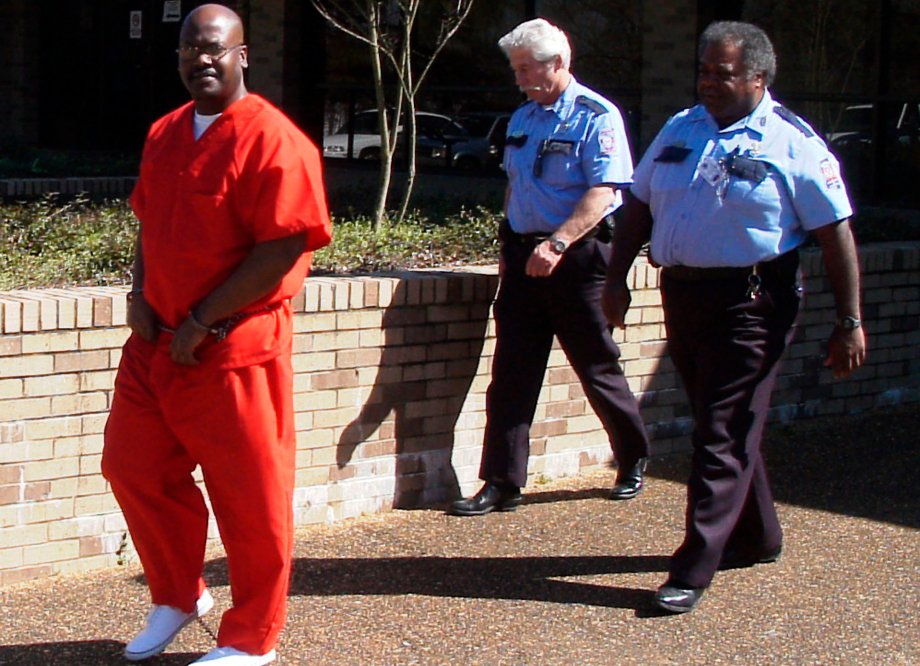
Once national and regional media personalities agree that a serious injustice is in the works, the legal process changes, often dramatically. I have seen this happen in Tulia, Texas and Jena, Louisiana. I call it “the embarrassment factor”. No one wants to be associated with a racist prosecution and the Flowers case may soon be perceived that way.

Podcasts, especially the true crime variety, are coming into their own. And, in the opinion of this New Yorker review, In the Dark’s in-depth investigation of the Curtis Flowers case may be the best podcast in existence right now.
Readers of this blog will be familiar with the strange saga of Curtis Flowers and the prosecutor who is determined to put him to death. But with the story now gracing the pages of the New York Times and the New Yorker it is only a matter of time until Curtis is reunited with his devoted family. The case against Curtis is built on threats, lies and manipulation.
Ironically, a podcast may be a more effective remedy to this travesty than the legal process. Especially when journalists camp out in small town Mississippi for a full year and gradually win the trust of a fearful community.
Baran and her team moved to Mississippi for almost a year to report the Flowers story. We learn that his case is full of abuses of power, mostly by white officials against black people, from evidence-gathering to jury selection. Local opinion about Flowers’s guilt is largely divided by race. The state’s evidence doesn’t focus on a central incriminating piece of evidence—multiple details are meant to add up to a convincing narrative. Baran investigates those details—including the route that Flowers supposedly walked, the gun he supposedly used, and confessions he supposedly made in prison—and uses them to scrutinize the case as a whole. So far, she’s smashed it to smithereens.
If you have never listened to a podcast just download Stitcher and search for In the Dark, season two.
 Friends of Justice